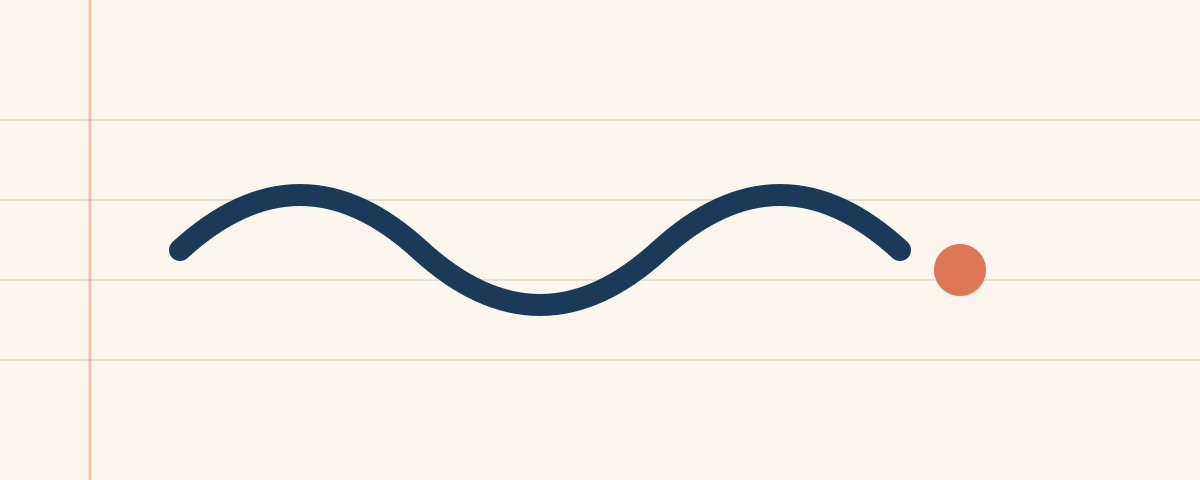
The Physiological Sigh
two breaths in, one long breath out
The physiological sigh is a specific breathing pattern — a double inhale followed by a long exhale — that can settle your body faster than almost anything else you can do without props. It’s the breath your body does naturally when you’re crying or falling asleep, and you can use it on purpose.
How to do it
- Inhale through your nose. Take a normal breath in through your nose.
- Add a second, shorter sip. Without exhaling, sip in a little more air to top up your lungs.
- Exhale slowly and fully. Let a long, slow breath out through your mouth.
- Repeat one to three times. A single round often helps; two or three is plenty.
Why it works
The two inhales help reinflate tiny air sacs (alveoli) in the lungs, and the long exhale offloads carbon dioxide and activates the calming branch of your nervous system. The practical upshot is that your heart rate and sense of stress can drop within a breath or two — which is why it’s such a useful reset.
Who popularised it
Sighing as a physiological reset was described by breathing researchers decades ago, and the technique was popularised more recently by Stanford neuroscientist Andrew Huberman, who highlighted it as a fast, evidence-informed way to lower stress in real time.
When to use it
- The moment you feel stress or frustration spike.
- Between tasks, to reset before the next thing.
- Before something nerve-wracking.
- Whenever your breathing has gone shallow and fast.
A note on safety
Gentle and safe for most people. Don’t force it; if you feel lightheaded, return to normal breathing.
Related
Curious about the supplement side? Read nootropics for focus, browse all our focus & attention guides, or put this into practice in the Squiggle app.
This guide is general education, not medical advice. For anything specific to your health, talk to a qualified healthcare professional.